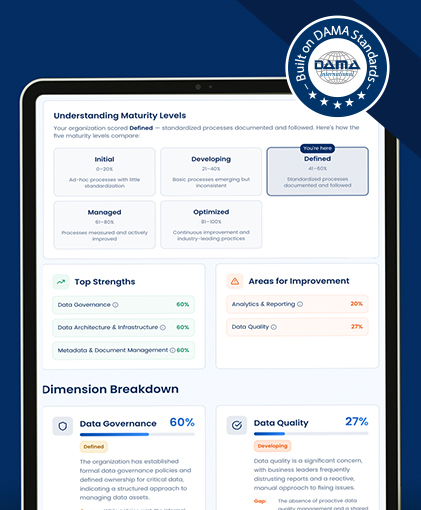
You’re tired of AI pilots that look good in demos and die in production. You keep hearing promises, yet delivery stays slow, costs rise, and risk reviews turn into blockers. An AI readiness assessment gives you a fast, clear read on what’s actually...
Cloud migration is one of those initiatives that sounds exciting in the boardroom and terrifying in the server room. On paper, it’s transformation, but in practice, it’s tangled dependencies, unexpected costs, nervous stakeholders, and the quiet fear of breaking...
Here is how the story usually goes. You run a small AI pilot and it looks like it won’t incur a huge cost. The first month flies by, the model performs well, and the dashboard? That’s the best part. Only a modest compute bill. And then the story changes. Production...
Let’s imagine a scenario: It’s been nine months and a mid-sized B2B company has spent $250K. Where have they gotten to? They have transitioned from smarter lead scoring to automated forecasts. But what happened at the end? They had no model in production and honestly,...
You’re stuck in the same loop. Pipelines break, definitions don’t match, and every quick question turns into a Slack fire drill. Meanwhile, your stakeholders want AI, better forecasts, and faster decisions, but you can’t get the budget for cleanup....
Previously, generative AI was limited to pilot decks, but gradually it has now seeped into daily processes in pharma and life sciences. AI models are now used by medical affairs, clinical and commercial teams for various processes such as scanning literature,...