
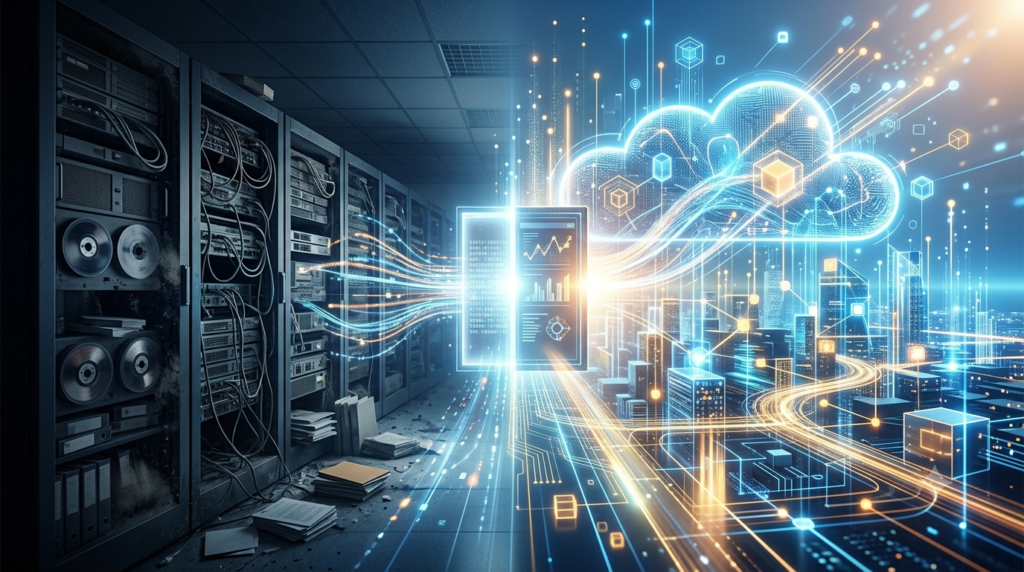
Data modernization is the process of upgrading an organization’s data infrastructure, architecture, tools, and workflows to meet modern business requirements. It involves moving away from legacy systems that limit scalability, accessibility, and analytics capabilities. It also helps in replacing them with modern, cloud-native, and AI-ready data environments.
For many organizations, data modernization is no longer optional. As data volumes grow and analytics becomes central to decision-making; outdated systems often become barriers to innovation, operational efficiency, and business growth.
A company can invest heavily in analytics, artificial intelligence, and automation, but if its underlying data infrastructure remains outdated, those initiatives rarely achieve their full potential. This guide explains what data modernization means, why it matters, the key components of a modernization strategy, common challenges, and real-world use cases.
What is Data Modernization?
Data modernization refers to the transformation of legacy data systems into modern architectures. They also support scalability, real-time analytics, automation, cloud computing, and advanced data management practices.
The goal is not simply to replace old technology. The objective is to create a data ecosystem that enables faster decision-making, better governance, improved accessibility, and future-ready analytics capabilities.
Modernization can involve:
- Migrating data to the cloud
- Replacing legacy databases
- Building modern data warehouses
- Implementing data lakes
- Automating data pipelines
- Improving governance frameworks
- Enabling AI and machine learning initiatives
Organizations modernize their data environments to make data more accessible, reliable, and actionable.
Why Does Data Modernization Matters?
Many businesses still rely on systems that were designed years or even decades ago. While these systems may continue to function, they often struggle to support modern analytics and business requirements.
Legacy environments create challenges such as:
- Slow reporting cycles
- Data silos
- High maintenance costs
- Limited scalability
- Security vulnerabilities
- Poor data quality
- Difficult integrations
As organizations become increasingly data-driven, these limitations directly impact business performance. Data modernization addresses these issues by creating a flexible foundation for analytics, automation, and innovation.
4 Signs Your Organization Needs Data Modernization
Many companies know they have data problems but are unsure whether modernization is necessary. Several indicators suggest that legacy systems are holding the business back.
Reporting Takes Too Long
When teams spend days or weeks compiling reports, data infrastructure may be limiting productivity. Modern platforms provide faster access to information and support real-time analytics.
Data Exists in Multiple Slots
Departments often maintain separate systems that do not communicate effectively. This creates inconsistencies and makes enterprise-wide insights difficult to achieve.
Infrastructure Costs Continue Rising
Maintaining aging hardware and outdated software can become increasingly expensive. Cloud-based environments often reduce operational overhead while improving performance.
AI and Analytics Projects Struggle
Many AI initiatives fail because organizations lack clean, accessible, and well-governed data. Modernization creates the foundation required for advanced analytics.
Traditional Data Architecture vs Modern Data Architecture
| Dimension | Traditional Data Environment | Modern Data Environment |
| Infrastructure | On-premises | Cloud-native |
| Scalability | Limited | Elastic |
| Data Access | Restricted | Self-service |
| Analytics | Batch processing | Real-time analytics |
| Integration | Complex | API-driven |
| Data Storage | Siloed systems | Unified architecture |
| Maintenance | High effort | Automated |
| AI Readiness | Limited | AI-ready |
The shift toward modern architecture allows organizations to support larger data volumes while increasing agility and reducing complexity.
Key Components of Data Modernization
Data modernization is not a single project. It typically involves several interconnected initiatives as follows:
Cloud Migration
Cloud platforms are a foundational element of most modernization efforts. Migrating data workloads to the cloud provides scalability, flexibility, and cost optimization opportunities.
Organizations can scale resources as demand changes without maintaining expensive physical infrastructure.
Modern Data Warehouses
Traditional databases were not designed to support modern analytics workloads. Modern data warehouses centralize structured data while providing high-performance query capabilities.
They enable business users to access insights more quickly and efficiently.
Data Lakes and Lakehouses
Organizations generate structured, semi-structured, and unstructured data from numerous sources. Data lakes provide centralized storage for diverse datasets.
Lakehouse architectures combine the flexibility of data lakes with the performance and governance capabilities of warehouses.
Data Pipeline Automation
Manual data movement creates delays and increases the risk of errors. Modernization efforts often focus on automating data ingestion, transformation, and delivery processes.
Automated pipelines improve reliability while reducing operational workload.
Data Governance and Security
As data becomes more accessible, governance becomes increasingly important.
Modernization initiatives typically include:
- Access controls
- Data lineage tracking
- Compliance management
- Data quality monitoring
- Security policies
Strong governance ensures that data remains trustworthy and compliant.
Building a Data Modernization Strategy
Successful modernization requires more than technology upgrades. Organizations need a clear strategy that aligns with business objectives. Following are some of the Modernization Strategies:
Assess the Current Environment
The first step is understanding existing systems, processes, and challenges.
This assessment identifies bottlenecks, technical debt, and modernization opportunities. Without a clear baseline, it becomes difficult to prioritize investments effectively.
Define Business Objectives
Modernization should support measurable outcomes.
Examples include:
- Faster reporting
- Reduced costs
- Improved customer experiences
- Enhanced operational efficiency
- AI readiness
Business goals should guide technology decisions.
Prioritize High-Impact Areas
Not every system needs immediate replacement. Organizations often achieve faster results by focusing on high-value use cases first.
This approach reduces risk while demonstrating business value.
Create a Migration Roadmap
Modernization projects are typically phased rather than executed all at once.
A roadmap helps manage dependencies, timelines, and resource allocation. It also minimizes disruption to ongoing operations.
Establish Governance Early
Governance should be integrated from the beginning. Retrofitting governance after migration often leads to compliance and quality issues.
A governance-first approach creates a stronger long-term foundation.
Benefits of Data Modernization
Organizations invest in modernization because it delivers measurable business benefits. Following are some of the benefits:
Faster Decision-Making
Modern data platforms provide faster access to information. Leaders can make decisions based on current insights rather than outdated reports. This improves responsiveness in rapidly changing markets.
Improved Scalability
As data volumes increase, modern environments can scale without requiring significant infrastructure investments. This flexibility supports long-term growth.
Better Data Quality
Modern architectures often include automated validation and quality monitoring processes. This improves trust in analytics and reporting.
Reduced Operational Costs
Cloud platforms and automation reduce maintenance burdens. Organizations spend less time managing infrastructure and more time generating value from data.
Enhanced Security and Compliance
Modern systems offer advanced security features and governance controls. These capabilities help organizations meet evolving regulatory requirements.
Greater Innovation
Modernized data environments enable advanced analytics, machine learning, and AI initiatives. Organizations gain the ability to innovate more quickly and effectively.
Common Challenges in Data Modernization
Although modernization offers significant benefits, organizations often encounter obstacles as follows during implementation:
Legacy System Complexity
Older systems frequently contain undocumented processes and dependencies. Migrating these environments requires careful planning.
Data Quality Issues
Poor-quality data can delay modernization projects. Organizations often need data cleansing initiatives before migration.
Change Management
Employees may resist new tools and workflows. Training and communication are critical for successful adoption.
Budget Constraints
Modernization requires investment. Organizations must balance short-term costs with long-term benefits.
Security Concerns
Migrating sensitive data introduces security considerations. Comprehensive security planning is essential throughout the modernization process.
Data Modernization Use Cases
Data modernization supports a wide range of business initiatives. For example:
Real-Time Business Intelligence
Modern architectures enable organizations to monitor performance metrics in real time. This allows leaders to respond more quickly to changing conditions.
Customer Analytics
Businesses can consolidate customer data from multiple channels into a unified view. This improves personalization and customer experience strategies.
Predictive Analytics
Modern data environments support machine learning models that forecast trends and outcomes. Organizations gain more proactive decision-making capabilities.
Operational Automation
Automated workflows reduce manual effort and improve efficiency. Data modernization often serves as the foundation for broader automation initiatives.
AI and Machine Learning
Artificial intelligence requires reliable and accessible data. Modernization creates the infrastructure needed to train, deploy, and scale AI solutions.
Industries Benefiting from Data Modernization
Data modernization delivers value across nearly every industry. Some of the benefits from Data modernization are listed below:
Financial Services
Banks and financial institutions use modernization to improve risk analysis, fraud detection, and regulatory compliance.
Healthcare
Healthcare organizations modernize data systems to improve patient outcomes, operational efficiency, and analytics capabilities.
Retail
Retailers leverage modern data platforms to optimize inventory, personalize customer experiences, and improve forecasting accuracy.
Manufacturing
Manufacturers use real-time data to monitor production processes, reduce downtime, and improve supply chain visibility.
Technology
Technology companies rely on modern data ecosystems to support product analytics, AI development, and customer intelligence initiatives.
The Future of Data Modernization
Data modernization continues to evolve as technology advances. Several trends are shaping the future of modern data environments:
- AI-powered data management
- Real-time analytics platforms
- Data lakehouse adoption
- Increased automation
- Stronger governance frameworks
- Multi-cloud architectures
Organizations that modernize today position themselves to take advantage of these emerging capabilities. The gap between modern and legacy environments will likely continue to grow as data becomes increasingly central to business operations.
Final Thoughts: Data Modernization Creates the Foundation for Growth
Data modernization is not simply a technology upgrade. It is a strategic initiative that enables organizations to unlock the full value of their data. Legacy systems often limit scalability, analytics, automation, and innovation.
Modern architectures provide the flexibility, performance, and governance needed to support today’s business requirements and tomorrow’s opportunities. Organizations that invest in data modernization gain faster insights, improved operational efficiency, stronger security, and greater readiness for AI-driven transformation.
If your business is evaluating cloud migration, data architecture modernization, analytics transformation, or AI readiness initiatives. Data Pilot helps organizations design and implement modern data ecosystems that deliver measurable business outcomes and long-term scalability.